Define the task.
Actions, objects, environment, target market, variations and intended use. Specify what success and failure should look like.
 Request a collection brief
Scope human demonstrations of industrial tasks for robotics and physical AI. You define the task and what the recordings need to show. We assess feasibility, site access and timing before any commitment.
Define the task → assess feasibility → agree a pilot. A scoped delivery can include accepted video, metadata and optional annotations.
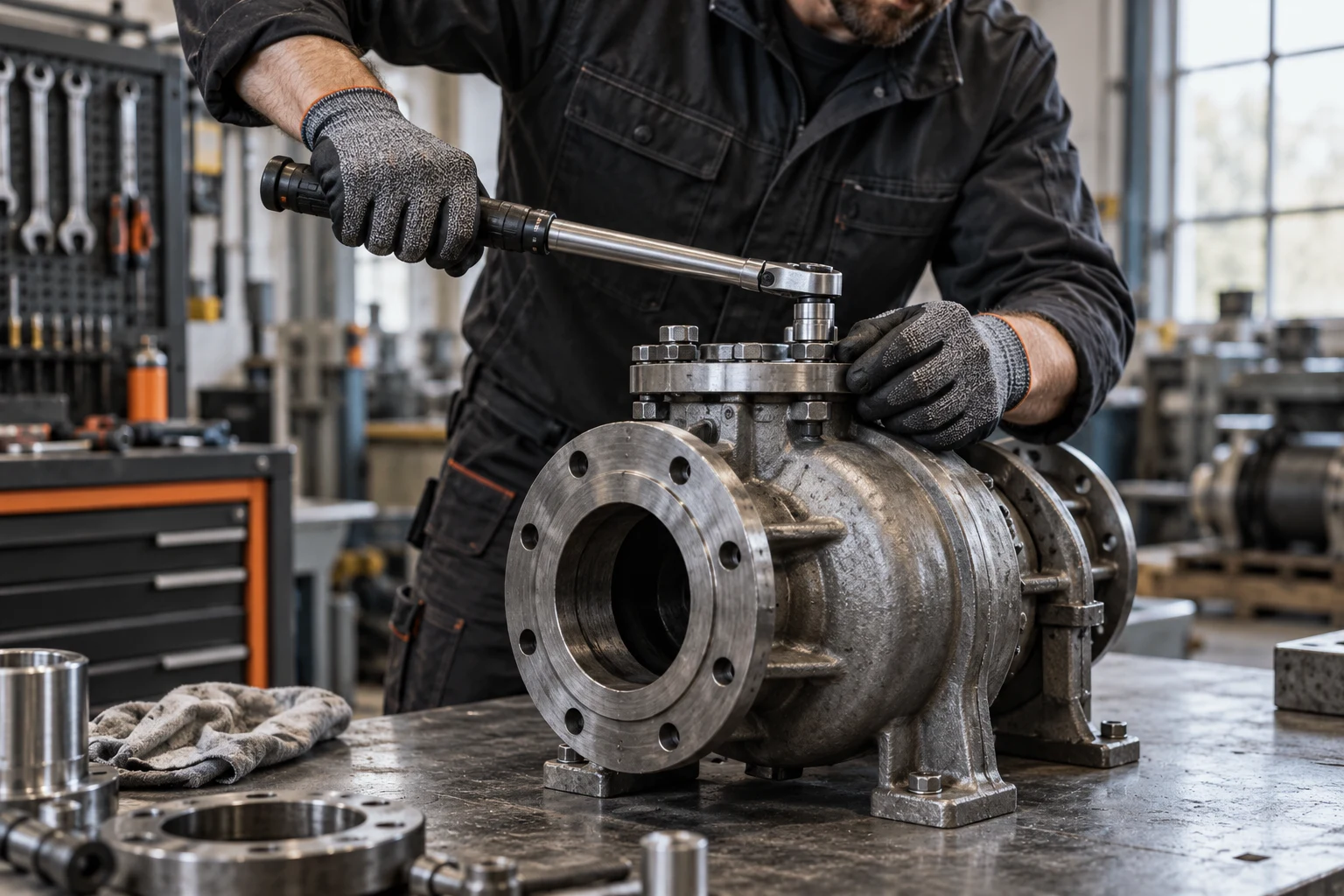 Illustrative scene / Industrial maintenance / Not dataset footage
The part being aligned. The connector being inserted. The tool selected before the next step. Define the interaction your model needs to observe.
Equipment maintenance, component handling and inspection workflows.
02Precision assembly, sorting, quality checks and production-support tasks.
03Cable routing, device assembly, diagnostics and delicate manipulation.
04Workshop servicing, component checks and authorized field workflows.
05Picking, packing, timber-product handling and workshop sorting.
06Preparation, portioning, packing and cleaning workflows.
Gloved hands. Precision parts. Workshop tools. Seasonal light. The environment changes the task.
Explore the regional focus ↗Assembly, maintenance and technical service tasks where sequence, tool choice and object state matter.
Specify gloves, PPE, restricted reach and approved working postures rather than treating every demonstration as interchangeable.
Where relevant, scope daylight, cold conditions, wet surfaces and indoor–outdoor transitions. Conditions are recorded, not assumed.
Equipment, instructions, labels and spoken language can be part of the brief. Availability is assessed before a program is confirmed.
Explore illustrative collection briefs. These define possible recording requirements; they are not samples from an existing dataset.
Begin with a defined learning objective and a small pilot. Agree the acceptance criteria before expanding the recording scope.
Actions, objects, environment, target market, variations and intended use. Specify what success and failure should look like.
Assess permissions, participant suitability, camera visibility, annotation needs and measurable acceptance criteria.
Record the agreed tasks. Review clips against the protocol, document decisions and manage permitted re-recordings.
Supply accepted footage with agreed metadata, review records, annotations and licensing documentation.
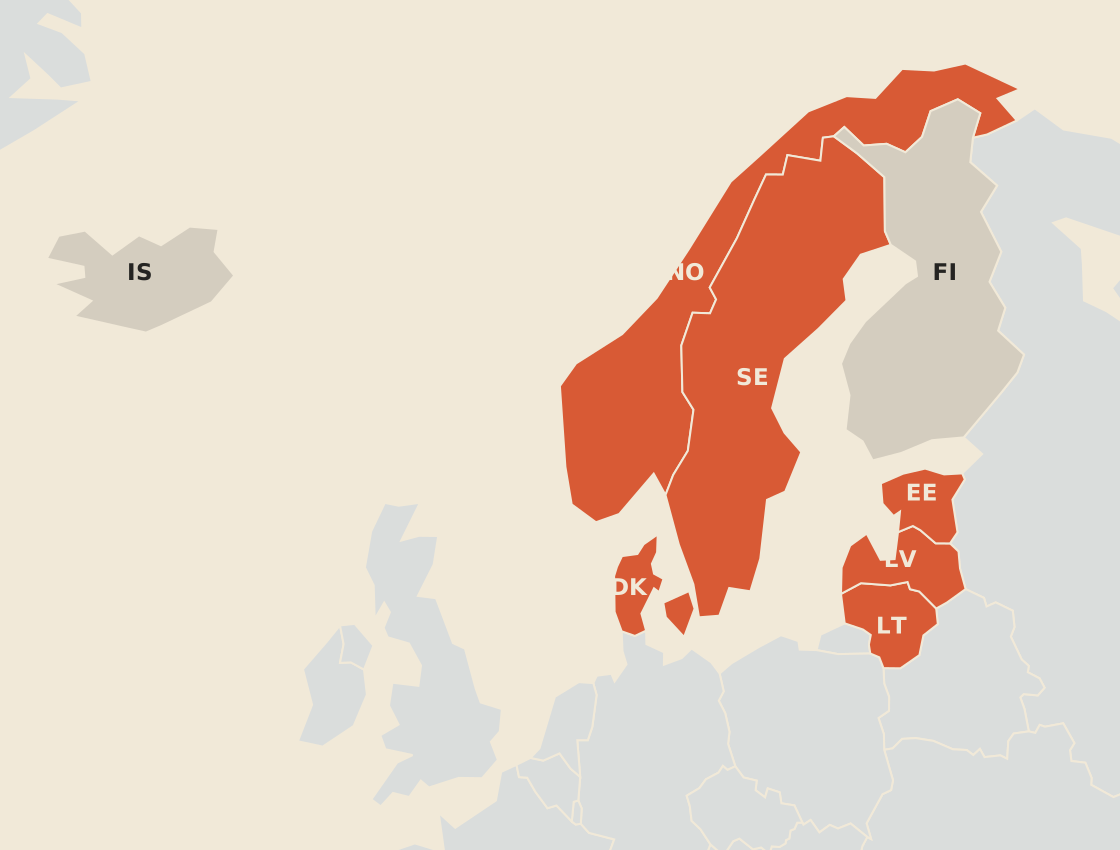
We assess project requests for six Baltic and Nordic target markets. Site access, participants, language requirements and equipment are assessed for each brief.
Agree the schema and evidence needed to evaluate a batch. The deliverable is defined in the proposal, including what is not captured or measured.
Accepted recordings can be paired with task IDs, recording conditions, camera information and review outcomes. Optional annotation layers are scoped against your requirements.
Human RGB video does not automatically include 3D pose, depth, force or executable robot trajectories. Sensor streams and derived labels require a suitable rig and separate validation.
collection-example/  # illustrative
  footage/           # accepted video files
  metadata/          # clip and capture records
  annotations/       # if commissioned
  review/            # QA decisions and reasons
  documentation/     # datasheet and agreed rights
manifest.json # agreed file indexThe buyer brief sets the acceptance bar. Permissions and privacy requirements are addressed before recording, not added after collection.
Framing, focus, lighting, continuity and hand–object visibility checked against agreed rules.
Accepted, rejected and re-recording decisions tied to the collection specification.
Participant, workplace and intended-use permissions defined for the project.
Confidential information, bystanders, screens, retention and delivery access scoped in advance.
Explore a recording project built around authorized tasks, agreed confidentiality boundaries and compensation defined in advance.
For businessesRegister interest in demonstrating tasks you know. Suitable assignments depend on location, skills and approved projects.
For contributorsA clear starting point for your first collection brief.
Yes. Describe the actions, equipment, environment and variations you need. We assess feasibility, permissions and participant suitability before confirming scope. Specialist or restricted settings may require a separate site arrangement.
No established country-wide capacity is claimed. The map shows target markets. Recording locations, contributors, equipment and delivery timing are confirmed project by project.
Not automatically. Human video may support learning or evaluation depending on your pipeline, but it does not itself provide calibrated robot actions, force or tactile measurements. Required sensors, labels and any transformation pipeline must be scoped and validated separately.
The task briefs and photography on this site are illustrative. There are no captured dataset samples published here yet. A representative pilot should be agreed before a larger collection commitment.
By task complexity, specialist recruitment, site access, equipment, accepted recording hours, annotation and review requirements. A proposal is scoped after requirements are assessed; there is no fixed price or guaranteed turnaround published here.